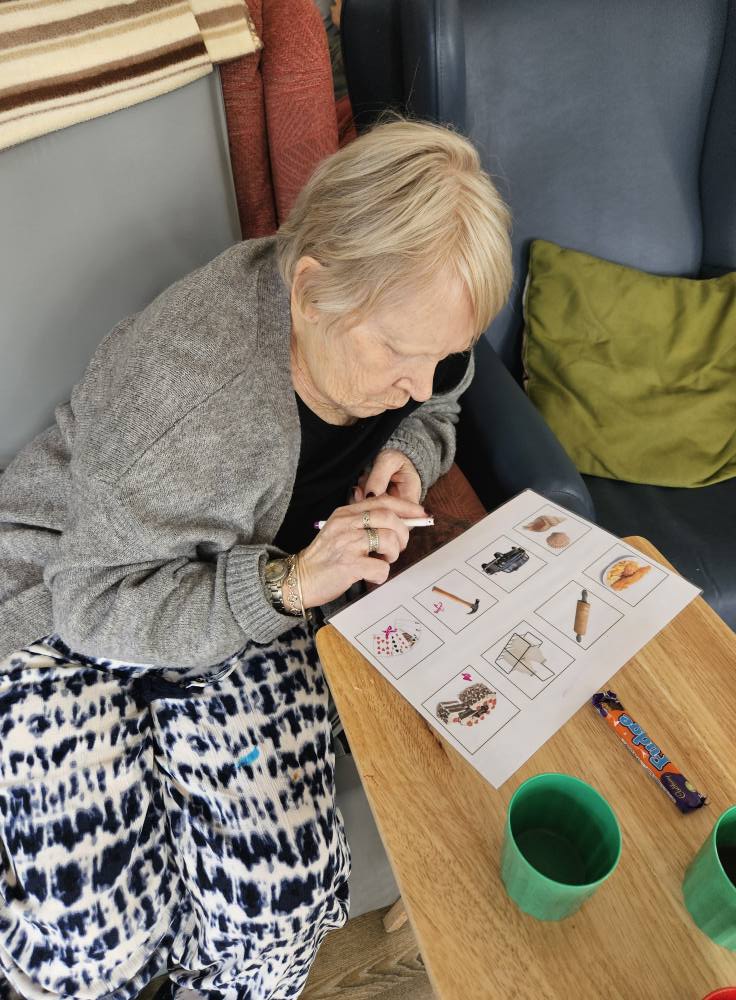

Respite Home Care
Why is respite care important?
Carer well-being:
Caring can be demanding and stressful, leading to burnout and impacting the carer's health and quality of life. Respite care provides a crucial break, allowing carers to rest, recharge, and address their own needs.
Maintaining the caring role:
Having a break can help carers stay motivated and able to provide care for the long term.
Supporting the person being cared for:
Respite care ensures that the person's needs are met, even when the primary carer is taking a break.
Preventing burnout and mental health issues:
Respite care can help prevent the carer from feeling overwhelmed and reduce the risk of burnout and related mental health issues.
How does it work?
Respite care can take various forms, including:
- Short-term residential care:
A short stay in a care home for the person being cared for. - In-home respite care:
A trained professional provides care in the person's own home, offering companionship and support. - Day care:
The person attends a day care centre for a few hours or a day, allowing the carer to take a break. - Sitting services:
A trained carer sits with the person for a few hours, providing companionship and support.
Supported holidays:
The person goes on a supported holiday with the help of a professional carer.
Who can access respite care?
Many different types of carers can access respite care, including:
- Family members: Parents, spouses, and other relatives who provide care.
- Friends: Individuals who provide care for a friend or acquaintance.
- Informal carers: People who are not formally registered as carers but still provide care.
- Individuals with disabilities: People with disabilities or long-term health conditions who require assistance.
- Older people: Individuals who may need help with activities of daily living.
Please contact us for further details and available respite care options.
Personal care
Assisting with walking from bed to wheelchair
Bathing, dressing and grooming assistance
Medication reminders
Safety and fall prevention
Status reporting to family
Toileting and incontinence care
Lifestyle support
Light housekeeping
Meal preparation and nutrition
Laundry and change of bed linens
Grocery shopping and errands
Full social and recreational activity programme, including regular visits outside the home
Chiropody, hairdressing, reflexology and Pilates.